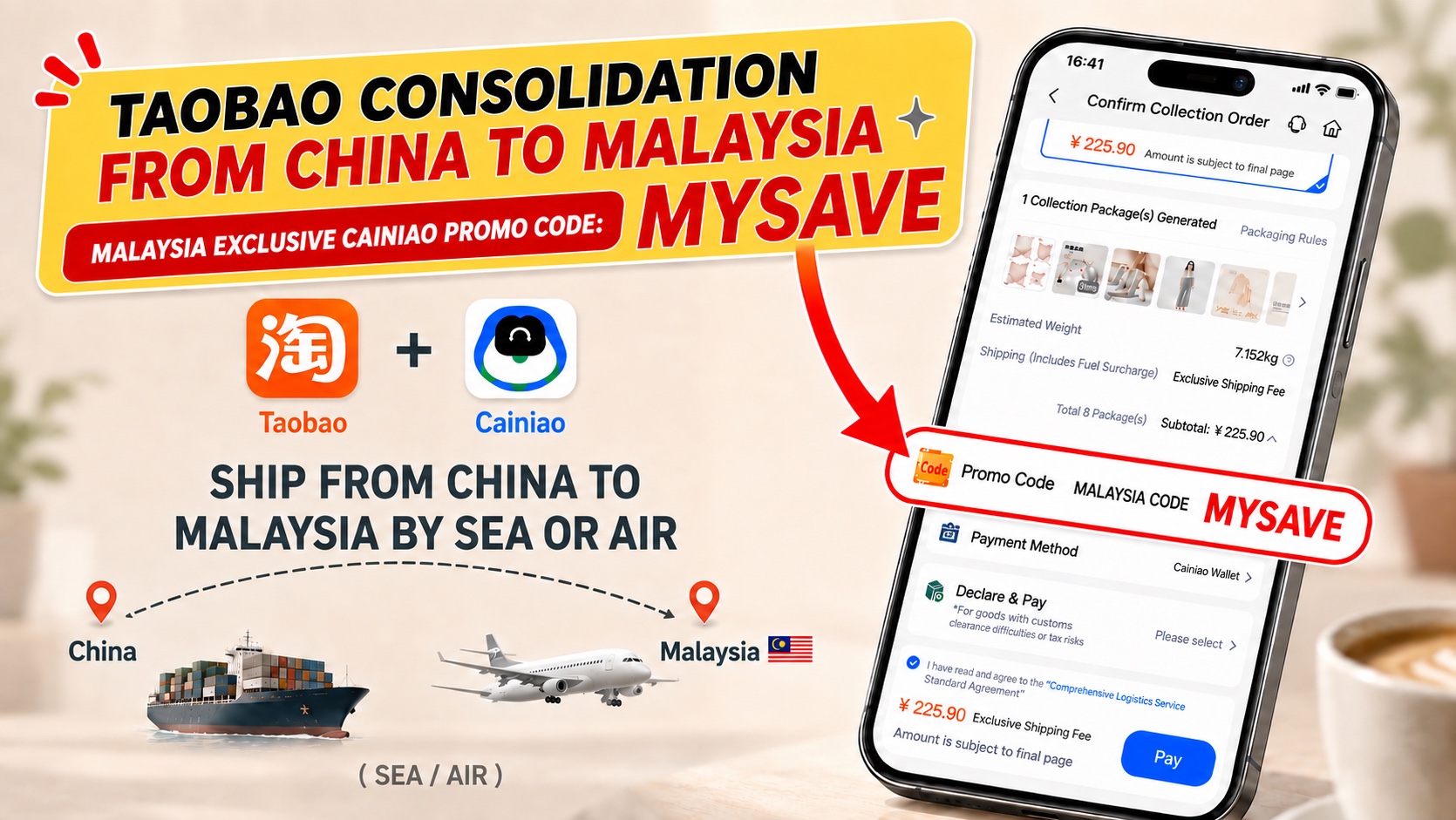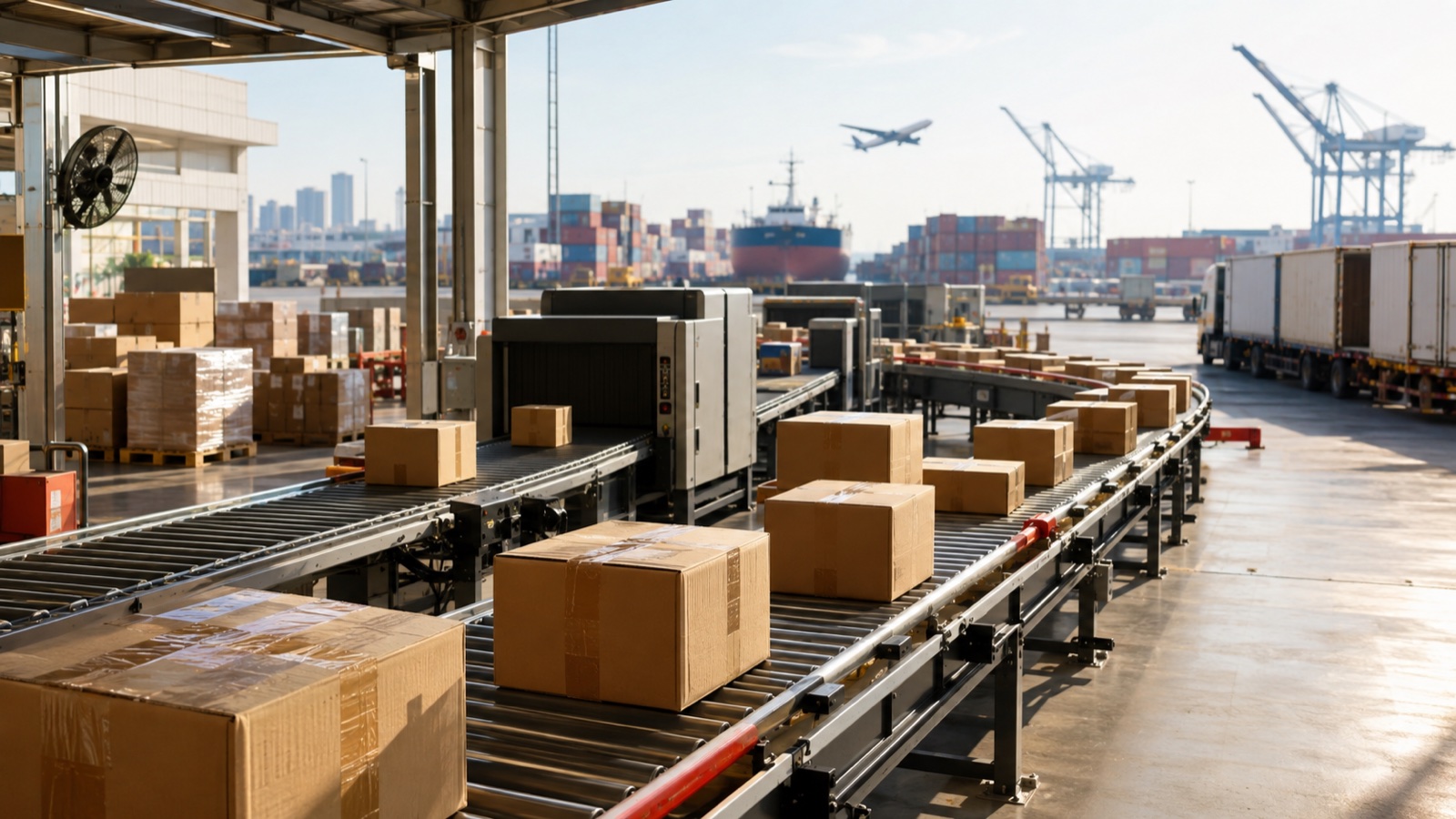
Air or sea freight to Malaysia?
Short answer: Compare air first for small, light, urgent parcels. Compare sea first for heavier or bulkier parcels that are not time-sensitive. Neither method is always cheaper; chargeable weight, dimensions, eligibility, minimum charges, and the checkout total decide the result.
Quick comparison
| Decision factor | Compare air first | Compare sea first |
|---|---|---|
| Time | You need the parcel sooner | A longer transport window is acceptable |
| Parcel | Small and relatively light | Heavy, bulky, or many parcels |
| Budget | Speed is worth a premium | Unit shipping cost matters more |
| Product | Eligible for the air route | Eligible for the sea route |
Why the per-kilogram rate is not enough
A service may charge the greater of actual and volumetric weight, with first-weight tiers, minimum charges, and oversize rules. A large but light carton can therefore cost more by air than a simple scale-weight estimate suggests.
Record four figures: warehouse scale weight, packed dimensions, route chargeable weight, and final payable total. The final total is the only reliable basis for comparing the same parcel.
A practical decision process
- Confirm that each product is eligible for the route.
- Wait for warehouse measurements rather than relying on seller estimates.
- Preview the available air and sea combinations.
- Compare total price, delivery estimate, compensation terms, and add-ons.
- Add time for customs and last-mile delivery when a fixed date matters.
Frequently asked questions
Is sea freight always cheaper?
No. Minimum charges, parcel size, promotions, and small-parcel tiers can reverse the result. Compare the final checkout options for the same parcel set.
Can I split one consolidation order?
Where the app allows it, urgent small goods and non-urgent bulky goods can use different routes. Check whether two minimum charges or extra packaging remove the expected saving.